Slip Fielder or Short Leg: Read the Catching Plan
Slip fielder or short leg: learn how line, turn and the batter’s hands shape each catching position, so you can read a cricket field with confidence.
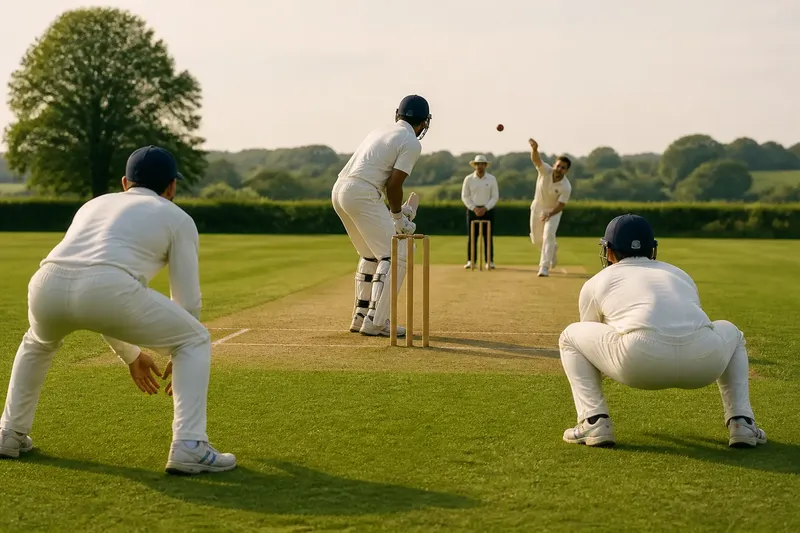
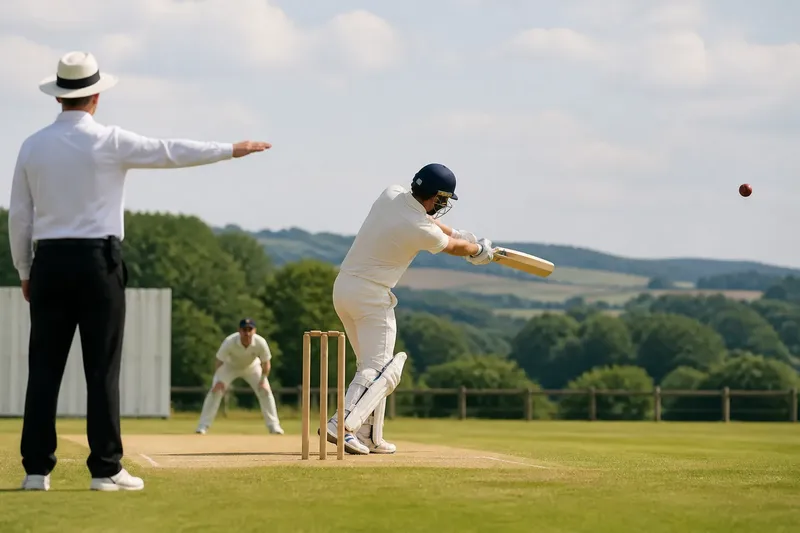
A slip fielder and a short leg are set for different kinds of contact. A slip waits behind the batter on the off side for an outside edge; short leg stands close on the leg side for a sudden deflection. Follow the ball’s likely route, and the field begins to make sense.
Different catching routes
A slip fielder looks for an edge that travels behind the batter after a ball passes the outside edge of the bat. The ball may be moving away from the batter or bouncing enough to carry toward the wicketkeeper and slips. Its path is usually longer than a close-range deflection, though it can still arrive quickly.
Short leg targets a different route. The fielder stands close on the batter’s leg side, usually forward of square, to intercept a ball that glances off the inside edge, glove or pad. The ball can drop almost at once or shoot toward the fielder. The position is about proximity, not simply a slip moved around the corner.
Start with the expected contact, then look for the fielder placed to meet it.
Read the bowling plan
Line, turn, bounce and the batter’s technique shape the choice. A bowler inviting a forward defensive shot outside off stump may be seeking an outside edge for slip. A bowler attacking the body or leg stump may crowd the bat against the pad and create a short-leg chance.
Turn matters, but it does not decide the field by itself. A ball turning away from a right-handed batter can pass the outside edge; one turning into the batter can cramp the stroke. For a left-hander, reassess those routes from the batter’s off and leg sides rather than copying the previous field.
The batter’s hands offer another clue. Hands reaching away from the body can make an outside edge more plausible. A compact defense with bat and pad close together can bring a short-range inside edge or deflection into play.
A worked innings
Imagine a hypothetical innings on a turning pitch. A right-arm finger spinner faces a right-handed batter who has been stepping forward to defend, with the front pad close to the bat. These invented details give the captain two possible plans, not a prediction that either catch will occur.
First, the bowler aims outside off stump and invites the batter to defend. The captain places a slip behind the batter on the off side, where an outside edge might travel. The intended result is observable: if the batter follows the ball with the hands and edges it, the slip is positioned to attempt the catch. If the ball passes safely or the batter defends cleanly, the captain has no evidence from that delivery of an edge chance and can review the line or placement.
Next, suppose the bowler changes the line to attack the stumps while the batter continues to press forward with bat and pad close. The captain moves a fielder to short leg. If the batter is cramped and the ball glances off the inside edge toward the leg side, the fielder can try to intercept it; if the batter keeps the bat clear and the ball travels elsewhere, the captain can restore a slip or choose another position that fits the next bowling plan.
Now imagine the batter starts sweeping instead of defending forward. That is a change in the likely point and manner of contact. The captain should reassess both catchers against the new stroke rather than preserve positions whose original question no longer fits.
Clues for each position
- Line: If the bowler invites a drive or defense outside off, then a slip may cover the outside-edge route; if the bowler repeatedly attacks the pads, move attention to a leg-side catcher or another position suited to the plan.
- Turn: If the ball turns away from the batter and takes it past the outside edge, then a slip may be useful; if it turns into the batter and crowds the stroke, consider short leg, provided the expected contact is close on the leg side.
- Hands: If the batter reaches away from the body, then retain or adjust a slip for a possible outside edge; if the hands stay tucked beside the pad, consider short leg for a cramped deflection.
- Carry: If the ball is likely to reach the off-side catcher at a manageable height and angle, then a slip can address that route; if the likely contact drops beside the batter, use a close catcher only if the bowling plan makes that deflection credible.
- Stroke: If the batter drives or pushes forward, then assess the outside-edge chance; if the batter defends compactly beside the pad, assess the inside-edge or leg-side deflection instead.
- Changing response: If the batter switches to a sweep or another stroke that changes the contact point, then review the original catcher’s role; if the batter returns to the earlier defense, the previous placement may again fit.
These clues work together. A slip can be poorly matched to a bowler who keeps attacking the pads, just as short leg can be idle if the batter is rarely cramped. Judge the placement against the question the bowler is actually asking.
Which position fits?
Can a slip catch an inside edge?
It can, but that is not the usual route the position is meant to cover. An inside edge more often travels toward the leg side or drops near the batter.
Why does short leg stand so close?
Short leg targets a brief deflection near the batter, so a fielder farther away may not reach it. The close position also leaves little reaction time; it is not a guarantee of a catch.
Does spin always need short leg?
No. A spinner trying to draw a forward defense outside off may have a clearer use for slip. The line, the batter’s response and the intended contact matter more than the bowling style alone.
How does the field change for a left-hander?
Judge the field from the left-hander’s off and leg sides. A delivery turning away may create an outside edge for slips, while a cramped inside-edge chance may bring short leg into play.
When the plan changes
A correctly placed catcher may see no chance because the batter misses, defends cleanly or sends the ball along another route. The captain should review the position when the bowler changes line or the batter changes technique, not only when a catch is missed.
For a viewer, the useful question is not simply why a fielder is standing there. Ask what contact the bowler is trying to create and where the ball would travel afterward. A slip signals an outside-edge plan; short leg signals a close deflection plan. That distinction is the quickest way to read the field.